Crystal Thomas
The State Journal-Register
The city council Tuesday night passed Mayor Jim Langfelder’s proposed $125 million budget, which doesn’t rely on any new tax increases or include significant cuts to services.
After contentious budget debates prompted by lower revenues and higher costs for the last couple of years, this year’s balanced budget was approved on a 9-1 vote with relatively little public discussion or suggestions for changes. Ward 7 Ald. Joe McMenamin, who has never voted to approve a city budget during his time as a city council member, once again voted against it.
The city’s finances this year have come out better than expected because of higher returns from sales tax revenue, earlier than expected annexations of lakeside properties and the state reversing withholding some of the city’s portion of sales and income tax. In the last two years, the city council has cut millions out of the budget and raised the city’s sales tax by a quarter percentage point, the city’s hotel-motel bed tax by one percentage point and the city’s telecommunication tax by two percentage points. The new budget year starts March 1.
Highlights of the budget include:
- $1.5 million for 40 new police vehicles
- a police officer dedicated to homelessness outreach
- $150,000 for a pilot gunfire detection system
- $1 million for Public Works equipment
- $125,000 for “one-stop shop” for city permits
- $1.4 million for two new and one refurbished fire engines
- $175,000 for a bookmobile for Lincoln Library
- $125,000 to replace aged library computer infrastructure
- $250,000 set aside for a permanent low-barrier homeless shelter
- $250,000 for Land of Lincoln Economic Development Corporation
- $50,000 for Downtown Springfield Inc.
- $12.4 million in streets, sidewalk and alley maintenance
- $5.1 million in sewer upgrades
The city also passed a $290 million budget for its utility, City Water, Light and Power. That’s less than this year’s $302 million spending plan but more than the $265 million CWLP projects it will spend by the time the current budget year ends Feb. 28, according to a budget summary. Because the utility is waiting to hear from a consultant on a plan for its 20-year energy future in April, its budget reflected that it would slow down in spending on the city’s coal-fired older power plants, which most likely will be retired.
***
In other action, aldermen unanimously approved an ordinance put forward by Langfelder to split an additional $600,000 payment between the city’s police and fire pensions, which have large unfunded liabilities. Money for the payment would come from the PILOT. The payment will automatically be triggered if the city hits a certain threshold of its rainy day fund.
Another ordinance related to pensions, sponsored by McMenamin, failed, with every city council member except for McMenamin voting against it. The ordinance would have lowered the city’s assumed rate of return on the city’s pension funds for two years. The adjustments, which would better reflect what the funds generate in reality, would have increased the city’s pension payment by $1.7 million one year and by $3.52 million the next year. The current rate of return is recommended by actuaries.
In years past, assuming a better rate of return is one of the reasons the city’s pension debt has swollen from $15 million to $350 million.
McMenamin said he was willing to raise taxes to help fund the pension payments.
McMenamin warned of “kicking the can down the road” – a well-used trope when it comes to pensions — and said future generations will have to pay for the council’s current decisions.
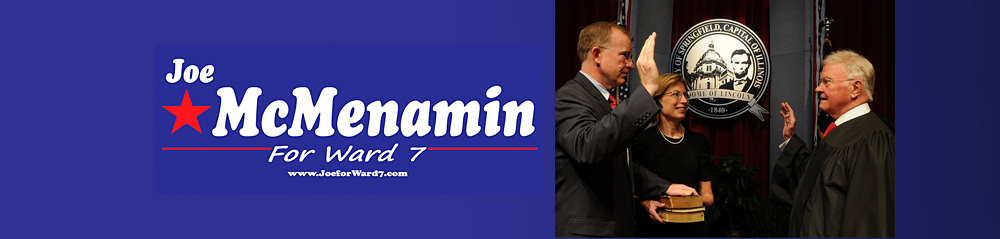
 Joe McMenamin for Ward 7